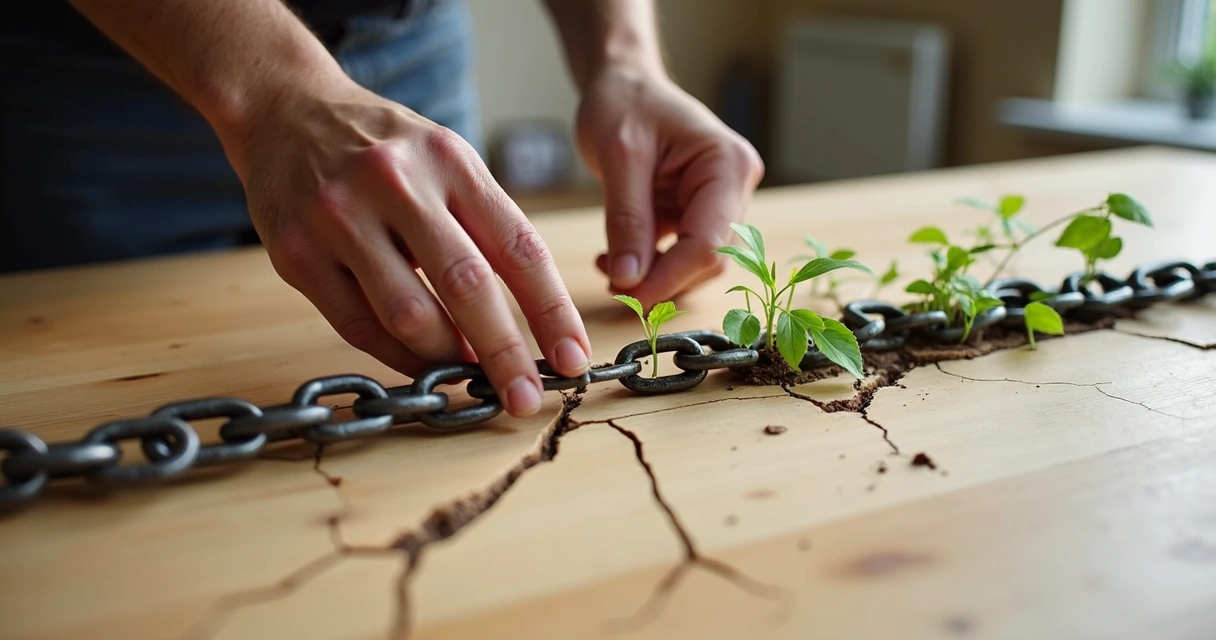


Each day offers a new chance to notice who we are and how we show up in the world. We believe that self-awareness shapes how deeply we can grow, connect, and transform. By cultivating small, repeatable habits, we expand the consciousness that touches every aspect of life.
These seven daily practices guide us through reflection, presence, and ethical intention. In our experience, these habits are not quick fixes. They are seeds—watering them leads to a more harmonious and integrated sense of self and humanity.
Start the morning with intentional presence
Our first moments set the tone for all that follows. Instead of jumping into tasks or screens, we recommend greeting the day consciously. This can be as simple as sitting quietly, noticing your breath, or stepping outside for some fresh air before you speak or listen to news. What matters most is the quality of presence you bring to waking up.
Intentional presence means starting our day by being aware of ourselves before we act or react, building a foundation for conscious living.
Some of us light a candle or drink water with gratitude. Others write a single sentence in a journal: How do I feel right now? These tiny acts help us meet ourselves before meeting the world's demands.

Integrate reflective pauses throughout the day
Each of us faces moments that pull us into autopilot. Lunch breaks, walking down a hallway, or waiting for a call—these are opportunities to check in with ourselves. We recommend pausing, even for a minute, to notice emotions, sensations, or thoughts. Not to change them, but to witness them without judgment.
- Breathe deeply and slowly, paying attention to the sound or feeling of each breath.
- Ask: What am I feeling right now?
- Notice: Where is my attention drifting?
Tiny moments of mindfulness gently build a habit of witnessing our internal world as it shifts.
Journal with honesty and curiosity
Journaling is more than documenting events; it becomes a mirror for our internal state. We suggest writing without filters for a few minutes daily. Some days, we recount what happened. Other days, we explore feelings, doubts, or hopes. The aim is not perfection, but raw honesty and a spirit of discovery.
Our true voice often comes out on paper before it does out loud.
When confusion or discomfort arises, it helps to write: “What am I missing about myself?” or “Where am I avoiding responsibility?” Long-term, these regular check-ins show us patterns and growth, revealing blind spots and quiet strengths alike.
Practice conscious listening in every interaction
How often do we really hear others, rather than waiting our turn to speak? We find that true self-awareness grows through compassionate listening. As we tune into the words and feelings of others, something shifts within us.
We suggest simple steps:
- When someone is talking, gently notice your thoughts—are you judging or planning your reply?
- Slow down, breathe, and open to understanding, even when you disagree.
- After conversations, ask yourself: Did I really listen or just react?
Stillness during another's words opens space for insight we often miss.
Make ethical choices, one decision at a time
Everyday decisions shape the world around us. We are all participants in a shared future, and nothing is too small to matter. Whether choosing how to spend money, respond to conflict, or treat strangers, we suggest asking: “Does this choice reflect the world I want to support?”

Not all answers are clear. Sometimes, the question itself draws us into greater awareness. Over time, the practice of pausing before decisions—big or small—clarifies our values and their effect on others.
Each choice is a ripple in the collective future.
Engage in restorative solitude
Solitude is not loneliness. We consider time alone a chance for integration and rest. Stepping away from screens and noise, we can walk in nature, sit quietly, or even wash dishes with focus. This is not withdrawal from the world, but an invitation to reconnect with ourselves.
- Choose one moment each day to be alone—no distractions, no agenda.
- Notice resistance: does silence feel uncomfortable?
- Allow thoughts to settle, watching them come and go without analysis.
This gentle return to ourselves is where confusion unravels and new understanding emerges. Many insights arrive in silence, not during busyness.
End the day with gratitude and self-compassion
We often judge ourselves for what we didn’t do or wish we had done differently. Instead, we encourage closing the day by recognizing at least one good choice, loving gesture, or lesson learned. Even a small acknowledgment shifts the mood of reflection.
Gratitude and self-compassion turn daily review from criticism into growth.
This can be as brief as a whispered “thank you” before sleep or as deliberate as writing three things you appreciated. Self-compassion, especially after mistakes, teaches us gentleness and resilience.
Conclusion
The practices we described can seem minor at first. Taken together, they create an upward spiral of awareness, responsibility, and connection. We recognize that real transformation doesn’t happen all at once. It is steady, built on moments of honest presence and repeated choice.
Small, daily acts form the roots of expanded consciousness.
If you adopt even a few of these habits, you may find your sense of self shifting quietly in daily life. Over time, you might notice greater clarity, patience, and ethical strength. The journey of self-awareness continues, step by step—each choice shaping not just your day, but our shared future.
Frequently asked questions
What is Marquesan self-awareness?
Marquesan self-awareness is the active recognition of our thoughts, emotions, and actions, along with understanding their effects on ourselves and the world around us. We see it as a continual practice of honesty, reflection, and integration, which extends from our individual experiences to our participation in the collective.
How can I improve self-awareness daily?
We recommend adopting small, regular habits like mindful breathing, journaling, conscious listening, and quiet moments of reflection. Consistency, not perfection, is what helps self-awareness become part of our daily reality. Returning to these habits, even when we forget, allows growth to continue.
Why are daily habits important?
Daily habits shape the foundation of our mindset and behaviors, creating lasting patterns of self-awareness and responsibility. Practicing awareness a little each day helps it become automatic, making mindful choices easier and more natural over time.
What are examples of Marquesan habits?
Some examples include starting each morning with intention, taking mindful pauses, journaling honestly, listening fully in conversations, pausing to make ethical choices, spending time alone in restorative solitude, and ending the day with gratitude or self-kindness.
Is it worth it to practice these habits?
We find that practicing these habits brings greater clarity, emotional balance, and meaningful connection with others and with ourselves. The benefits build gradually, showing up in deeper resilience, patience, and the ability to act with integrity, even in small moments.