

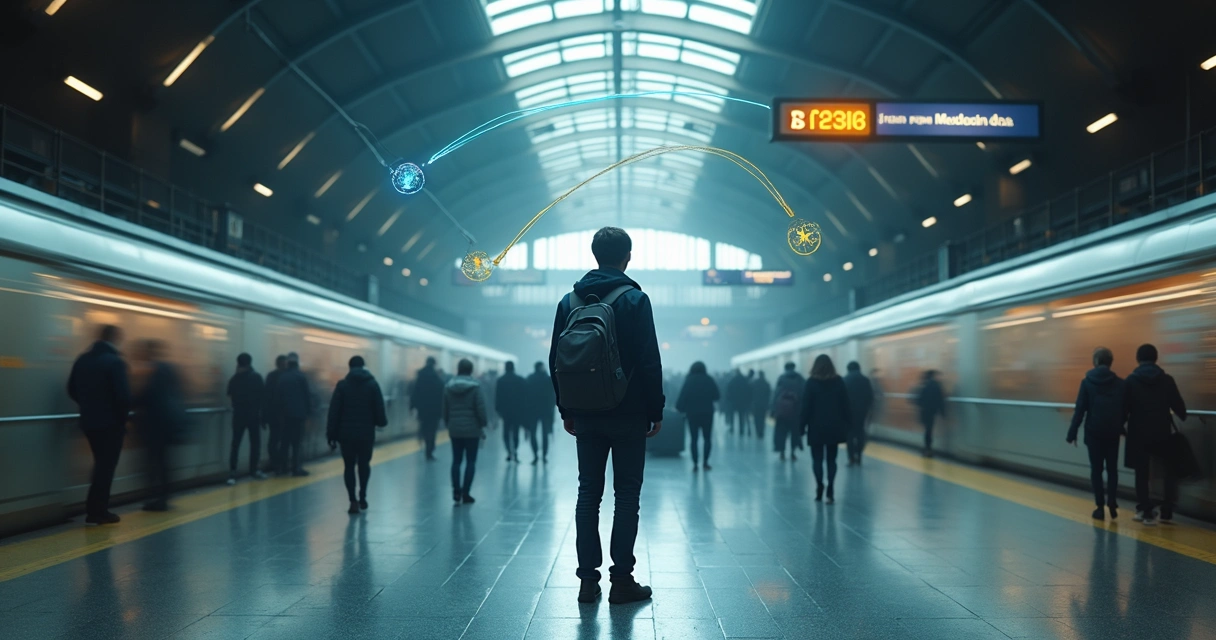
Anxiety rarely comes from one thing alone. We may feel our chest tighten because of a meeting, a message, a family issue, money pressure, or a memory that returns at the wrong time. Yet when we slow down, we often see a wider pattern. The body reacts. The mind predicts. Relationships pull on us. Old roles wake up. What seemed like one feeling is often a whole system moving at once.
Systemic awareness exercises help us notice anxiety as a pattern of connections, not just as a single symptom.
We see this often. A person says, “I do not know why I am so tense.” Then, after a few quiet questions, the picture opens. They are carrying work stress, family expectations, guilt for resting, and fear of letting others down. Anxiety was not random. It was organized by hidden pressure.
That is why systemic awareness matters. It helps us see what is happening within us and around us. It also gives us simple ways to respond before anxiety takes over the whole day.
Why anxiety feels bigger than the present moment
Anxiety can feel immediate, but it is often fed by more than the present event. We may react not only to what is happening now, but also to what our nervous system learned before. A delayed reply may feel like rejection. A small mistake may feel like danger. A normal conflict may feel like collapse.
These reactions are more common than many people think. According to data on anxiety disorders in U.S. adults, about 19.1% of adults experienced an anxiety disorder in the past year. That number alone tells us something simple. Many people are not weak or broken. They are overwhelmed.
Anxiety is often a signal of overload.
When we take a systemic view, we ask broader questions:
What happened right before the anxiety rose?
Who or what is linked to this feeling?
What role are we trying to hold?
What fear keeps repeating?
These questions do not make anxiety vanish at once. But they reduce confusion. And that matters, because confusion often feeds fear.
What systemic awareness looks like in daily life
Systemic awareness means seeing ourselves in context. We are not only thoughts inside a head. We are people inside families, routines, memories, social pressures, and unfinished emotional loops.
For example, we may notice that anxiety rises every Sunday night. At first, we blame the coming workweek. Later, we see more. Sunday night was the one quiet moment when buried fear had room to speak. In another case, someone becomes anxious before every visit home. The body already knows the old role waiting there.
When we name the system around anxiety, we often reduce its power.
This approach also fits what wider mental health research suggests. A systematic review in JAMA Psychiatry on preventive interventions for anxiety found that psychological and educational interventions had a small but real effect in preventing anxiety across different groups. Small changes, practiced well, can help more than people expect.

Four exercises that build systemic awareness
We do not need complex tools to begin. What we need is steadiness, honesty, and a few clear practices.
1. The pattern pause
When anxiety rises, we pause for one minute and ask:
What happened?
What did I feel in my body first?
What story did my mind create?
What older feeling does this resemble?
This short sequence brings order to a fast reaction. We stop calling everything an emergency.
2. The relationship map
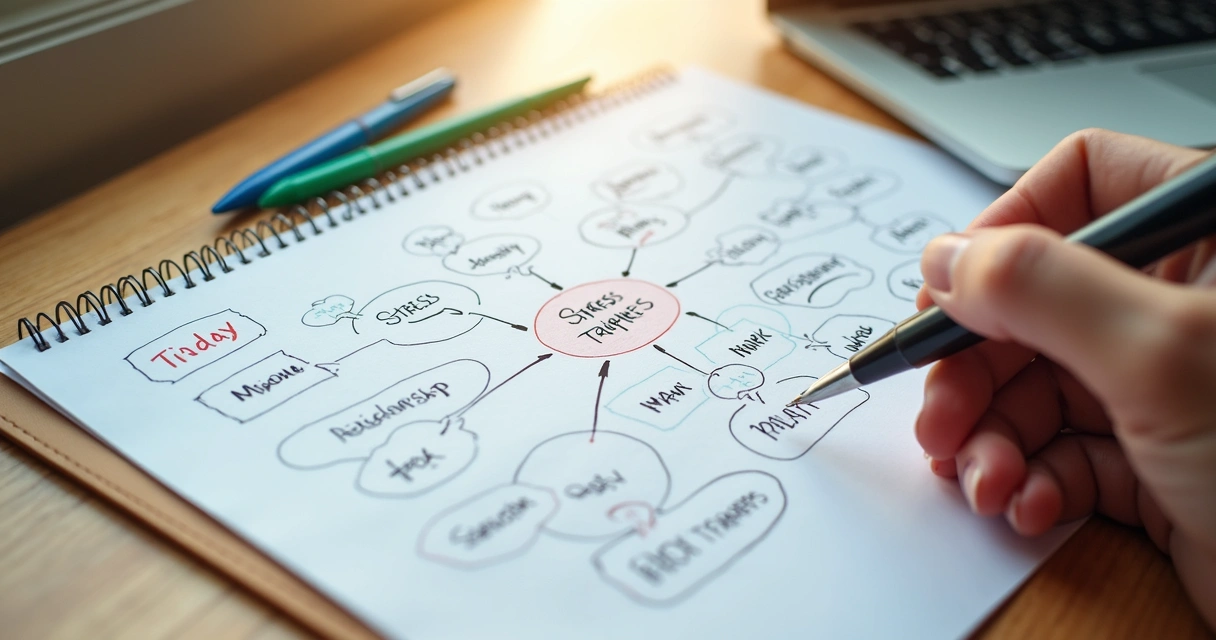
Take a sheet of paper and write your name in the center. Around it, add the people, places, and duties that are taking your energy this week. Draw lines between them. Then look at the page quietly.
We often notice one of three things. There is too much on the page. One relationship carries heavy tension. Or one duty is draining far more than we admitted.
This can be emotional. We may stare at the page and think, “Now I see why I am tired.” That moment is not dramatic. It is clear. And clarity calms.
3. The body location check
Anxiety speaks through the body before it speaks through language. We can close our eyes and ask where the tension lives right now. Throat. Stomach. Jaw. Chest. Hands. Then we stay with that area for five slow breaths.
The goal is not to force calm, but to bring kind attention to where anxiety is already speaking.
We can also place a hand on that area and say a simple sentence, such as, “I notice the pressure.” This reduces the habit of fighting ourselves.
4. The role release question
Many anxious states are tied to roles. We try to be the fixer, the strong one, the one who never needs help, the one who keeps peace for everyone. Then anxiety builds because no human can hold these roles without strain.
Ask one question: “What role am I trying to perform right now?”
The answer may come fast. We are trying to be perfect. Useful. Invisible. In control. Once seen, the role can soften.
How to practice without making it another burden
Some people turn every self-care act into another task to fail. We know that pattern well. So we suggest keeping these exercises light and repeatable.
You can make them part of normal life:
Use the pattern pause after a hard conversation.
Do the body location check before sleep.
Make a relationship map once a week.
Ask the role release question when you feel pressure to please.
Recent public health data also shows how current and widespread anxiety symptoms are. According to findings from the 2022 National Health Interview Survey, about 18.2% of U.S. adults had symptoms of anxiety in the prior two weeks, with higher rates among younger adults and women. This tells us that many people need practices that fit real life, not perfect conditions.
When these exercises help most
Systemic awareness exercises work well when anxiety is fueled by repeated stress, emotional overload, unclear boundaries, and relational tension. They help us catch patterns early. They also help us separate present facts from old alarms.
One person we worked with used to wake at 3 a.m. with racing thoughts. At first, they focused only on sleep. Later, they started mapping evening tension, family calls, late emails, and the need to solve everything before bed. The night anxiety was linked to a whole chain. Once the chain was visible, change became possible.
These exercises are not a magic fix, and they do not replace care when anxiety is intense, constant, or disabling. But they can support steadiness. They can help us feel less trapped inside reactions we do not understand.
Conclusion
Managing anxiety begins with seeing more clearly. When we stop treating anxiety as an isolated flaw and begin seeing the web around it, new options appear. We breathe with more awareness. We notice patterns sooner. We question old roles. We respond with less fear and more honesty.
That is the quiet strength of systemic awareness. It does not ask us to become someone else. It asks us to see what is shaping us, so we can meet anxiety with presence instead of panic.
Frequently asked questions
What is systemic awareness exercise?
A systemic awareness exercise is a simple practice that helps us notice how anxiety is linked to thoughts, body signals, relationships, routines, and past patterns. Instead of looking at one symptom alone, we look at the wider context around it.
How can these exercises help anxiety?
They help by slowing automatic reactions and making hidden patterns easier to see. When we understand what triggers anxiety, where it shows up in the body, and what roles or pressures feed it, we often feel less confused and more able to respond calmly.
Are these exercises easy to learn?
Yes. Most are easy to learn because they use simple actions such as breathing, writing, noticing body tension, and asking clear questions. The skill grows with practice, but the first steps are usually gentle and accessible.
How often should I practice them?
We suggest brief practice several times a week, or even a few minutes each day. Short and steady practice tends to work better than doing a long session once in a while. The best rhythm is one that feels realistic and easy to keep.
Is it worth it to try systemic awareness?
Yes, especially if your anxiety feels repetitive, confusing, or tied to stress in daily life. These exercises can help you understand your inner patterns with more clarity. That often leads to a greater sense of steadiness and choice.