


Sometimes I catch myself reacting to stress, shame, or fear with sharp words or tense muscles. These reactions feel almost automatic, as if some old pattern inside me wakes up and takes over. Over the years, I have seen in myself, and many others, that even quiet people can hold patterns of inner violence—judgments, harsh self-criticism, secret resentment, or silent anger. We may not act these out directly on others, but such habits harm us deeply and shape our environment.
Through my work and personal growth, I have learned meditation can help to unravel and break these patterns. This is not a quick fix. It is a gentle, honest process of becoming more aware, and more responsible, in the way described by the Life Coaching Blueprint. I want to share my perspective and what I have learned, so you may also move toward more peaceful choices in daily life and contribute to the collective evolution of consciousness.
Understanding inner violence
When we think of violence, we often imagine physical acts or verbal abuse. But inner violence is quieter and more subtle. It lives in the way we talk to ourselves, the urges to control, blame, or withdraw, and the stories we replay in our minds.
- Judgment of self or others
- Rigid thoughts about what “should” happen
- Unexpressed anger or simmering resentments
- Chronic fear, anxiety or shame fuelled by old memories
Most of these patterns come from pain or fear learned long ago. Until we notice them, they tend to drive our reactions. This is where meditation offers a shift. Through regular practice, it becomes possible to soften the grip of these habits and make more conscious choices.
Why meditation is powerful for change
I have seen how simple meditation techniques allow people to slow down and become witnesses of their own experience. This means no longer being completely caught in a storm of thoughts or feelings. Instead, we gain perspective, just enough space to respond differently. This gradual change aligns with the idea, found in the Life Coaching Blueprint, that our evolution as a human being rests on growing awareness and responsibility in daily actions.
“Awareness is the first step toward freedom.”
Meditation helps you notice your patterns rather than unconsciously repeating them. With noticing comes a sense of choice and the beginning of transformation.
A step-by-step approach to breaking inner violence with meditation
In my own practice and when teaching others, I found certain steps, built on both structure and kindness, create the best conditions for true change. Here is the sequence I recommend.
1. Set an intention to observe, not judge
Before meditating, I remind myself: my aim is not to force the mind to be blank, nor to reach some perfect, calm state. Instead, I want to learn how my mind and body move naturally. I tell myself, “Let me see what’s truly here, with as much honesty as I can.”
2. Find a comfortable, quiet posture
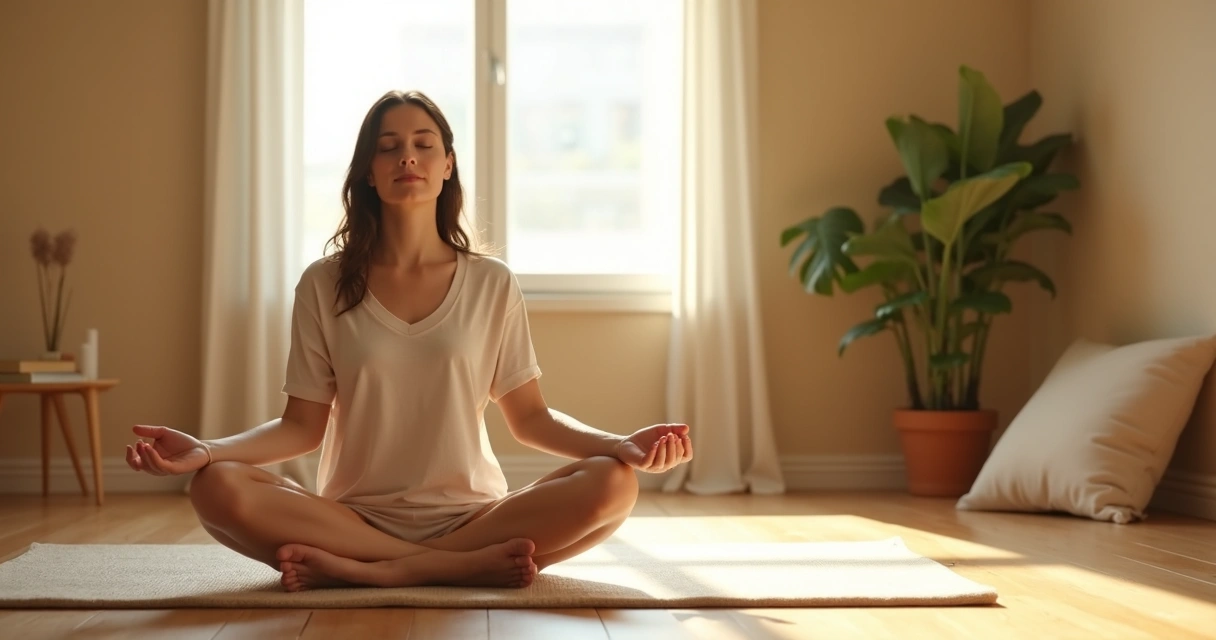
Sit with your spine upright, but not rigid. The goal is to stay alert without fighting the discomfort or fidgeting too much. Soft lighting or natural light can help. I often tell people it’s better to be at ease than to look “perfect.”
3. Focus on breath as an anchor
Bring your attention to the natural movement of your breathing. Let the breath remind you that you are present, alive, and safe. When the mind wanders—and it will—gently label the thought or feeling, and return to the breath.
- If a thought is angry: “Anger is here.”
- If a harsh judgment arrives: “Judgment is here.”
- If anxiety stirs: “Anxiety is here.”
In my sessions, people often say they feel relief once they can name what’s happening, without pushing it away. There is room for everything in awareness.
4. Notice body sensations
Patterns of inner violence live in the body. You may notice tightness in your jaw, tension in your fists, a flutter in your chest. When I scan the body with attention, these places soften, or at least I no longer need to battle with them. It is common to be surprised by how much tension you find when you look honestly.
5. Practice self-compassion
I think gentle language is key. If self-criticism arises, try saying, “This is a human moment.” I have found it radical to welcome even difficult parts of myself with understanding. In time, I notice that what once felt threatening or shameful seems less powerful.
“Kindness breaks the cycle of self-violence.”
Meditation techniques to support this journey
There are specific meditation styles that I rely on most when working with inner violence. Here are a few that I suggest.
- Mindful Awareness: Pay attention to each breath, each thought, with gentle curiosity. If you judge yourself for drifting, catch it and simply start again.
- Loving-Kindness (Metta): Silently repeat phrases like, “May I be safe. May I be peaceful. May others also be safe and peaceful.” Over time, resentment or anger loses its edge.
- Body Scan: Move attention through the body from head to feet, noticing sensations, and sending warmth to tense or painful areas.
- Compassion Meditation: Visualize someone you struggle with, wishing them relief from suffering. This helps dissolve the inner stories that keep violence alive.
Sometimes I combine two practices. For example, I finish a mindful breath session with a few minutes of loving-kindness, especially on difficult days. This blend works well with the Marquesian Meditation principles set out in the Life Coaching Blueprint, which focus on expanding states of consciousness for greater integration.
Benefits I have seen in breaking inner violence
After months of steady meditation, I noticed surprising shifts.
- My reactions to stress softened
- I had fewer angry outbursts—inside or outside
- Forgiveness, both for myself and others, came more easily
- I saw less need to judge, defend, or control
Over time, meditation rewires your response to pain and anger, gradually making peace more natural than violence. This transformation, although subtle at first, often inspires others around you, as well.
Taking responsibility and building collective peace
One important insight from the Life Coaching Blueprint is that human evolution is not about dominance or external achievements, but about our rising capacity to integrate our own shadow—fear, anger, and pain—without unconsciously passing it on to others. The more we heal inner violence, the more we become part of humanity’s movement toward wisdom and peace.
“My inner transformation shapes our collective future.”
Breaking patterns of inner violence through meditation is not about spiritual perfection. It is an ongoing, sometimes messy process of choosing compassion in moments where once we chose attack or withdrawal.
Conclusion
Through meditation, I have learned to face my inner conflicts with honest attention and compassion. This work is both personal and shared; every choice to interrupt violence—whether in thought, word, or action—moves us one step further in the evolution of consciousness described in the Life Coaching Blueprint. If you wish to know more or deepen your journey, I invite you to connect with us. Let’s build a more peaceful future, one mindful breath at a time.
Frequently asked questions
What is inner violence in meditation?
Inner violence in meditation refers to the patterns of harshness, judgment, anger, or self-criticism that arise in thoughts or feelings when you sit quietly with yourself. It includes silent attacks on oneself or others, blame, resentment, or defensive reactions that live inside and may not always be spoken or acted upon.
How can meditation stop harmful thoughts?
Meditation teaches you to notice harmful thoughts as soon as they arise. Instead of being carried away by anger or judgment, you learn to simply recognize, name, and let go of them, returning to your breath. Over time, this breaks the automatic cycle and weakens old patterns. Meditation shifts your relationship with thoughts from automatic reaction to mindful response.
What are the best meditation techniques?
For inner violence, I recommend mindful breathing, loving-kindness meditation, body scan, and compassion meditation. Each provides a unique way to become aware, soften judgments, and cultivate a more peaceful inner world. Experiment to find which feels most helpful for you on any given day.
How long before meditation shows results?
Some people notice greater calm and awareness within days, while deeper shifts in patterns often take weeks or months of regular practice. What matters is consistency and gentle honesty, not forcing a timeline. Small steps create lasting change.
Is meditation safe for strong emotions?
Most people find meditation is safe and beneficial for strong emotions when practiced gently. If overwhelming feelings arise, it’s okay to pause, open your eyes, or try a grounding technique like touching a cool surface. With practice, you can approach difficult emotions with more confidence and less fear.