


Language carries more than words. It holds our shared beliefs, values, and even our blind spots. The words we use every day, often without thinking, quietly reveal the collective shifts unfolding beneath society’s surface.
Why language is our living mirror
We see language as a living record, always changing. Expressions slip in, others fade away. Each phrase, each new meaning, tells us what is bubbling up—or dying out—in our minds and our communities.
Sometimes, these shifts are subtle. Other times, they shout. Reflecting on how our speech patterns adapt, we learn something valuable about our shared journey.
How words become signals of collective change
Daily language changes in response to big shifts in how we live, think, and see one another. We have noticed how, during social upheavals or technological progress, new words seem to spring up overnight.
- The rise of positive psychology gave us “mindfulness” and “growth mindset.”
- Technology introduces entirely fresh vocabularies, such as “going viral,” “screensharing,” or “cloud.”
- Social movements may popularize expressions like “inclusion” or “ally.”
Sometimes we hear children using words that did not exist twenty years ago. Those are hints. Society, quietly, is shifting.
The link between words and collective beliefs
In our experience, as ideas spread, language shifts naturally—sometimes even before most people notice the change. The words we choose reflect not just what we think, but how we approach the world.
For instance, when people began to use “partner” instead of “husband” or “wife” more frequently, it reflected a collective movement toward inclusivity and the recognition of more types of relationships.
Language does not simply follow change—it often acts as the first sign that something new is taking root in our collective beliefs.
Words and social awareness grow together
Every time a community recognizes a new social issue, there is often a wave of new vocabulary. The wider that vocabulary spreads, the more mainstream the cause becomes.
Consider these patterns:
- Environmental awareness brought us “carbon footprint,” “eco-friendly,” and “sustainability.”
- Mental health discussions normalized expressions such as “burnout,” “trigger,” and “self-care.”
- Digital safety concerns taught us to talk about “privacy,” “cyberbullying,” and “consent.”
When we look back over the last decade, it is not simply that the world has changed. The words we use tell us exactly how and where collective priorities have shifted.

The subtle shifts: micro-changes speak volumes
Not all language changes are loud or dramatic. Often, we find meaning in the smallest quirks—how a greeting changes, the way people apologize, or even what becomes a joke in popular culture.
For example, the increasing use of “sorry, not sorry” signals shifting views on self-assertion and boundaries. Phrases such as “take space” or “hold space” indicate a new awareness of emotional needs.
Sometimes, a gentle change in tone or phrasing tells us about widespread changes in emotional intelligence or cultural sensitivity.
From individual speech to group transformation
It might feel as if these changes creep in through media or education, but we have found that individual choices play a big part. Each time we pick a word thoughtfully, or avoid a term that feels outdated or hurtful, we reinforce new directions for our community.
- When a workplace replaces “failure” with “learning opportunity,” it impacts morale and mindset.
- When parents encourage children to “use your words” for emotions, those children grow up with stronger communication skills.
- When friends check in with, “Are you okay?” instead of assuming, a new model of care takes hold.
This is the power of what we sometimes call “bottom-up evolution.” It begins with single conversations, until the new patterns ripple outward.
How we can notice these shifts ourselves
Some shifts are easy to spot, but others pass under our radar. In our observations, there are ways to stay attuned to emerging patterns:
- Listen for new words or expressions during news reports, podcasts, or social media.
- Notice when old phrases fade. If a saying feels outdated, the collective may already be moving on.
- Pay attention to how people frame praise, blame, or apology. Changing norms often show up in these moments first.
- Reflect on your own habits. What expressions have you adopted or left behind recently?
- Monitor children and teenagers. Their language often predicts trends adults adopt later.
We find it valuable to keep a mental list of new terms, or even write them down. It highlights just how constant language change really is.
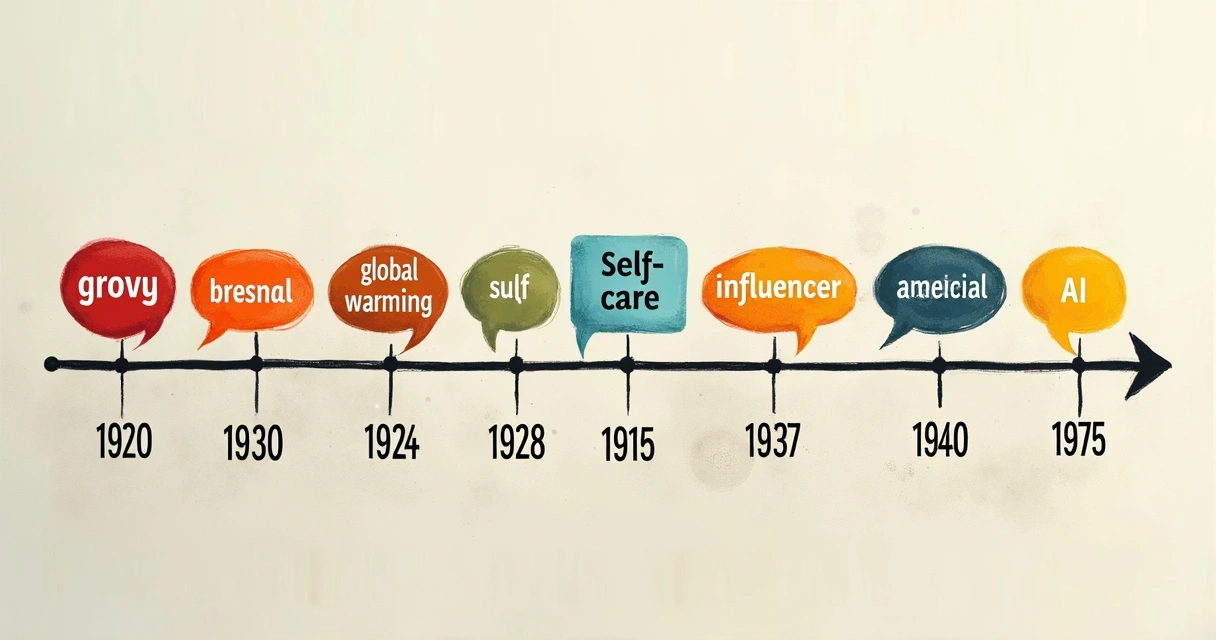
The silent impact of language on collective growth
Every time we update the way we speak, we send a message to others—and to ourselves. We shape our attitudes, open new doors, and sometimes, close old ones. If we speak about inclusion, care, and resilience, we invite those values into action.
Our language, constantly shifting, is an ever-present signal of who we are becoming—individually and together.
By noticing, questioning, and participating in these shifts, we each play a quiet part in shaping our shared future.
Conclusion
Words matter, even when we whisper them. Our daily language is a living map of our collective consciousness, tracking our culture’s movements before we recognize them ourselves. When we pay attention, we hear the story of a society always in motion—and always becoming something more. The words we choose, the phrases we invent, and the expressions we leave behind all point to the evolving landscape of the human mind.
Frequently asked questions
What is collective consciousness in language?
Collective consciousness in language refers to the shared beliefs, values, and worldviews reflected in the words and expressions common within a group. When we observe how people talk within a culture or community, we can see their common priorities, hopes, and even struggles.
How does language show social change?
Language shows social change by introducing new words, adapting the meaning of old ones, and shifting which expressions are considered appropriate. These changes often align with broader movements, such as greater openness to discussing mental health or prioritizing environmentalism.
Why do words reflect group beliefs?
Words reflect group beliefs because language is created and shaped by people responding to their realities. When a community begins to care more about a topic, they develop words to talk about it easily and clearly. Over time, those words signal what matters most to that group.
Can daily speech reveal cultural shifts?
Yes, daily speech often reveals cultural shifts before other forms of evidence. Listening for new phrases, noticing even slight changes in tone or usage, can show us where culture is heading faster than official reports or studies.
How can I notice language pattern changes?
To notice language pattern changes, listen for new expressions, observe how younger people speak compared to older generations, and pay attention to which words disappear or gain popularity. Keeping an ear out during news broadcasts, social media, or in daily conversations helps spot these shifts early.